The craft
Being a self-employed videographer: being your own boss isn’t easy (but you get there)
Being your own boss sounds like a dream. In reality it’s more demanding than it looks. But with method and a bit of effort, you get there — and you wouldn’t want it any other way.
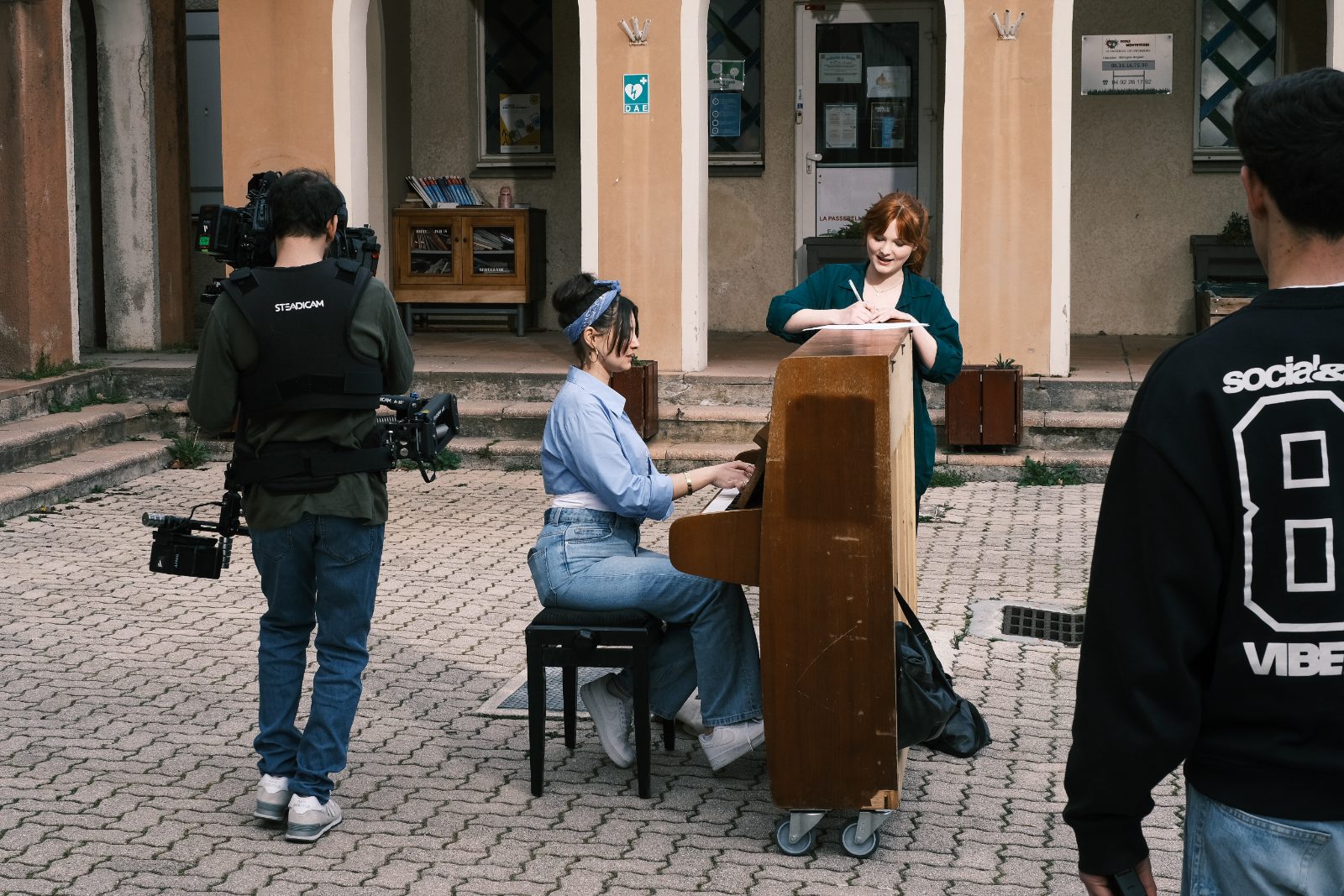
On Instagram, the life of an independent videographer looks like an endless run of sunsets, yachts and film sets. Those moments are real — I film them. But they’re a small part of the job. The rest is a quote sent at 11pm, an invoice that’s late, a January that’s too quiet and a hard drive that dies the night before a delivery. Here’s what I wish I’d read when I started.
Freedom… and everything that comes with it
When you work alone, you’re not just the director. You’re also sales, accounting, production manager, technician, editor, courier and customer service. Nobody tells you what to do — but nobody does it for you either.
That’s the first thing to accept: creative time is only part of the week. The rest keeps the business running. The people who last aren’t necessarily the most talented behind the camera; they’re often the ones who handle what happens before and after the shoot well.
Income that comes in waves
On the French Riviera, work follows the event calendar: very busy from March to November, with the Cannes congresses, wedding season and yachting, much quieter in winter. I cover it in the calendar of events in Cannes. The result: some months pay a lot, others almost nothing.
Three habits helped me:
- a bank account dedicated to the business, to see clearly what comes in and goes out;
- setting aside social charges as soon as you’re paid, rather than discovering them at declaration time;
- a safety cushion covering several months of costs, to face winter calmly.
The French micro-enterprise framework
In France, the micro-enterprise (often still called “auto-entrepreneur”) is the simplest status to start with: quick to set up, light bookkeeping, and social charges calculated on the turnover you actually receive. No turnover, no charges.
There is a ceiling, though. For service activities, the micro tax regime applies to 2026 income if turnover didn’t exceed €83,600 excluding VAT in 2024 or 2025; you only move to the standard regime after two consecutive years above it (source: service-public.gouv.fr, checked February 2026).
My advice: VAT, charges and thresholds change regularly. Check your situation on the URSSAF website and, as soon as the business grows, work with an accountant. It’s an investment, not an expense.
Finding clients without burning out
Word of mouth is still the best salesperson, but it needs feeding:
- a short, consistent portfolio: five films that show what you want to do beat thirty that show everything;
- a fast, well-referenced website, so you’re found when someone searches for a videographer in Cannes or Nice;
- Instagram and LinkedIn, with vertical content that shows behind the scenes as much as the result;
- client testimonials, asked for right after a successful delivery;
- agencies and other suppliers — organisers, photographers, wedding planners — who recommend you as you recommend them.
And above all: deliver on time. At an event, hitting a before-9am delivery is worth more than any advert.
Setting your prices, and sticking to them
The classic beginner’s trap is undercutting to land the first jobs. You end up working a lot for little, and it’s hard to climb back. A clear quote itemises preparation, shooting, editing, grading, music, usage rights and travel. The client understands what they’re paying for, and you understand what you’re selling.
Offering a few packages — as I do in my events brochure — also helps clients choose without negotiating line by line.
Gear: invest at the right time
A new camera comes out every season, and the temptation never stops. My rule: buy a camera when a real, recurring need justifies it, not because it’s making headlines. Before buying, I rent for a test shoot. It’s the approach I describe for the Sony FX5: a promising body, to try before you sign.
Lasting in the job
Steadicam work is physical, and so are the overnight edits during congress weeks. You don’t last years without looking after yourself: sleep when you can, keep moving, and learn to say no to a project that isn’t right. Keep learning too, and don’t stay alone: an accountant, other videographers to talk shop with, clients who become partners.
Being your own boss isn’t easy. Some weeks, everything goes wrong at once. But with method, consistency and a bit of effort, you get there. And the day a client calls you back for next year’s edition, you remember why you chose this life.
FAQ
Can you make a living as a self-employed videographer?
Yes, as long as you treat it as a business: firm prices, planned cash flow, regular prospecting and loyal clients. The early days are often irregular.
What is the 2026 micro-enterprise turnover ceiling in France for a videographer?
For service activities, the micro tax regime applies to 2026 income if turnover didn’t exceed €83,600 excluding VAT in 2024 or 2025, according to service-public.gouv.fr.
Do you need a big gear budget to start?
No. Better a simple kit you master completely, then rent specific gear per project before investing.